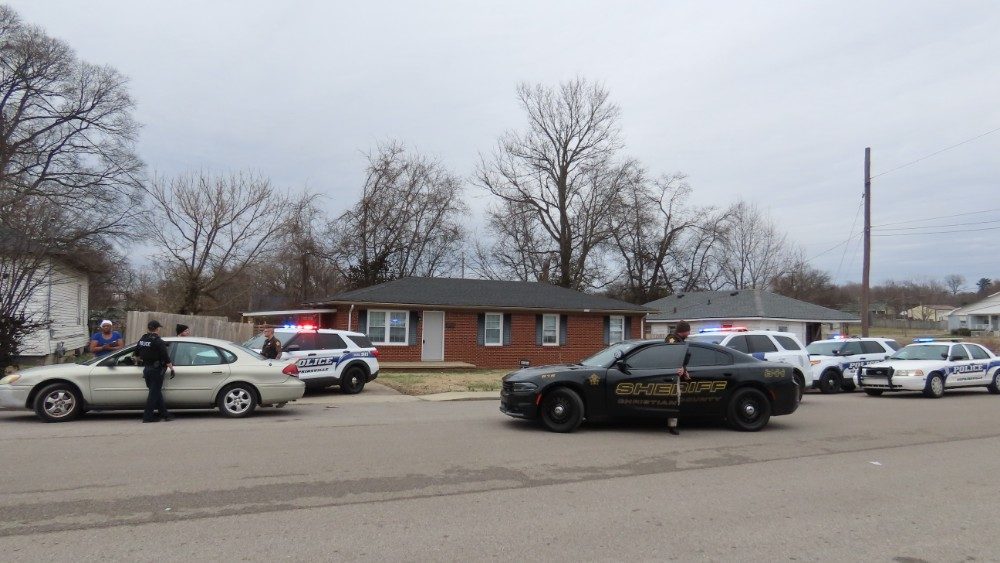

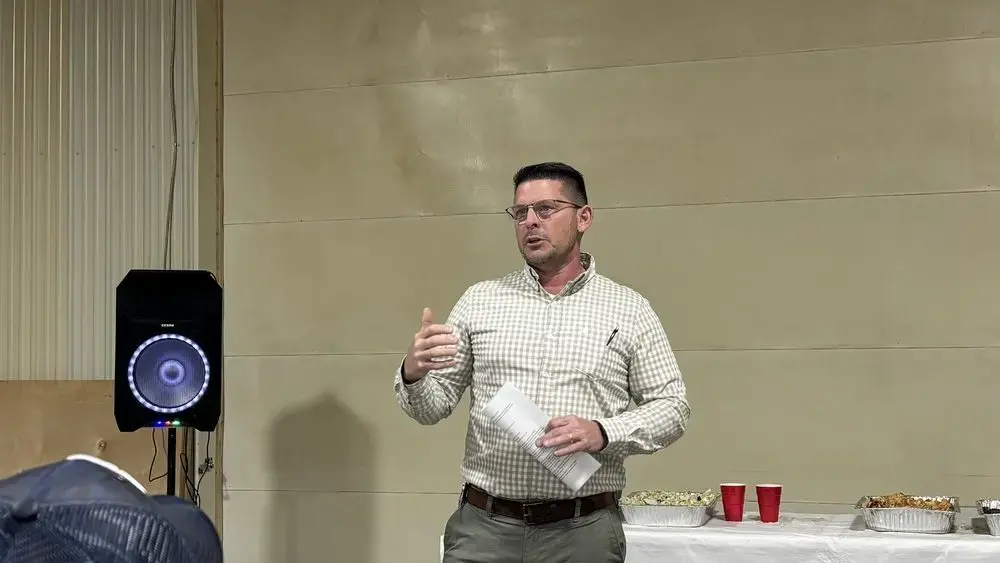
Emergency officials who worked the scene of the train derailment near Trenton in late December participated in an after-action session Friday night to discuss response efforts.
While the tone of the event was mostly gratitude, some issues were discussed.
Assistant Trenton Fire Chief Wade Chester served as the initial incident commander, navigating the chaotic first hours of the scene. His leadership coordinated a multi-agency effort that prevented the derailment from escalating into a larger catastrophe.
Reflecting on the outpouring of local support, one of the CSX Hazmat officials who worked the scene in the hours and days following said, “It’s good to know the American spirit is still alive.”
While the response was largely hailed as a success, emergency officials remained transparent about areas for improvement, which included:
- Staging Distance: Initial emergency perimeters were deemed too close to the wreckage.
- Communication: A need for more streamlined radio and inter-agency data sharing.
- Medical Proximity: Strategies to ensure medical care staff are positioned closer to the incident site for immediate triage.
The meeting also focused on the physical needs of the crews. Todd County Emergency Management Director Ash Groves spoke about the specific equipment that the volunteer fire departments should have to respond to incidents in the future.
Trenton Fire Chief John Stahl said his department will soon purchase air monitors to better protect both responders and the public from potential chemical exposure during future responses.
Groves said that the response went very well.
As the community continues to move forward, the National Transportation Safety Board is continuing to investigate what caused the 31 train cars to derail. The final report is expected to take months before it’s released to the public.
CSX officials also confirmed Friday night that the cleanup of hazardous materials, including sulfur, has ended, but plenty of work remains on the property that was damaged by the incident.