
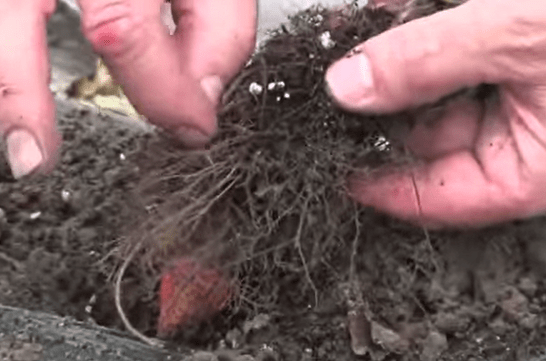
Black root rot can affect a wide range of ornamentals in home and commercial landscapes. Petunia, vinca, and holly are among the most susceptible plants. Black root rot results in the decay of root systems however, the most obvious symptoms are observed on above-ground portions of the plant. Plants may initially appear stunted, slow-growing, or less vigorous when compared to healthy plants.
Leaf symptoms include yellowing, wilting, and necrosis (death) of foliage. Herbaceous plants, like petunia, may collapse, while dieback is more often observed on woody plants. Severely infected plants eventually die.
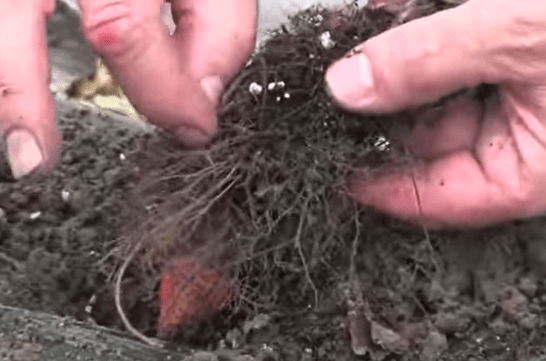
Above-ground symptoms are the result of root decay. The reduced root system is unable to take up sufficient water and nutrients to support foliage and stems. Heat, drought, and other environmental stressors therefore can make black root rot symptoms worse.
Here are a few steps you can take to manage black root rot in your landscapes:
– Avoid planting susceptible plants in soils known to be infested with the fungus. Contact the Extension office for a publication listing plants that are resistant to black root rot.
– Plant only disease-free plants in the landscape. Examine planting material carefully prior to planting to ensure that roots appear healthy and white in color. Plants with blackened roots should not be used.
– Heavily infected plants should be removed from the landscape and destroyed. However, good cultural practices may enable some plants, such as hollies with mild symptoms, to continue to grow in spite of the disease. Plants in the early stages of infection should be well-fertilized and watered. Avoid excess water.
There are no effective fungicide drenches available for homeowner use. Established landscape plants may be treated with fungicides by licensed landscape contractors if infection is not severe.
Fungicides will suppress but not cure black root rot. Protectant fungicides include Clearys 3336, Compass, Heritage, Medallion, Pageant, and TerraGuard.
— Kelly Jackson, Christian County Extension Agent